Film Editing

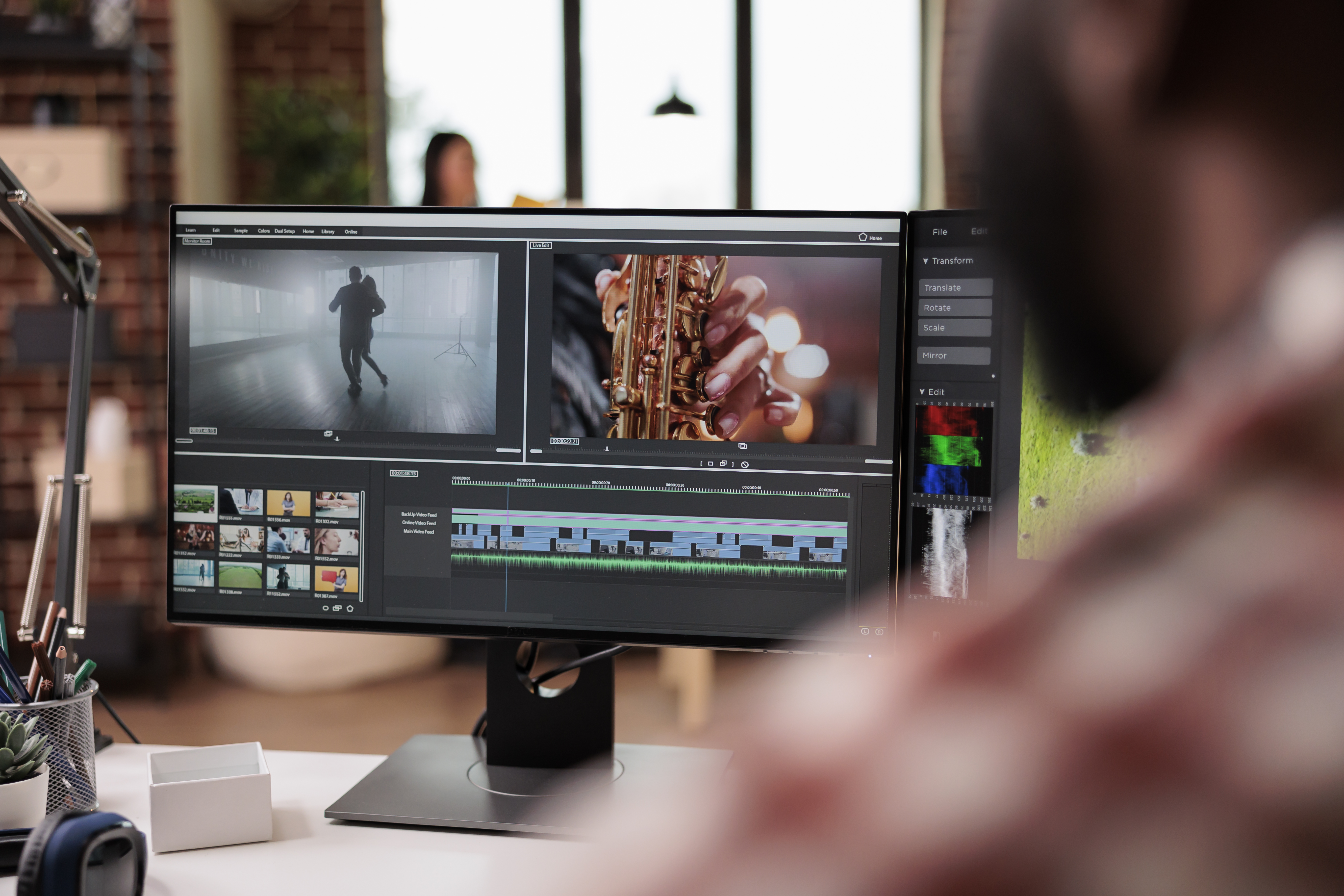
Become a professional film editor with industry-level training at CGCreed Animation Academy. Our Film Editing Course is designed for students who want to build a successful career in the film industry, YouTube content creation, wedding cinematography, and digital media production.

At CGCreed, students learn real-time editing workflows used in movies, web series, advertisements, and social media content. Our expert mentors provide hands-on training with live projects , ensuring students gain practical experience before entering the industry.

Who Is This Course For?

  • Aspiring Film Editors who want to make a career in post-production

  • Filmmakers & Directors who want to understand the editor’s craft

  • VFX Artists who want to learn how editing and compositing work hand in hand

  • YouTubers, Content Creators & Video Producers who want professional-level editing

  • Students & Career Changers drawn to storytelling through visuals
VFX

Carrer solutions made simple Enquiry now

Course Details

Eligibility

10 +

Software Taught

Photoshop, Premiere Pro, After Effects, Avid, Fcp, Light room

Duration

4 Months

Course Content

  • The Evolution of Film Editing: Explore the history and significance of editing in cinema.
  • Role of the Editor: Understand the editor’s responsibilities and collaboration within the film production team.
  • Visual Storytelling Basics: Learn how visual elements convey narratives.
  • Editing Terminology: Familiarize yourself with essential editing terms and concepts.

  • Non-Linear Editing (NLE): Dive into digital editing workflows and software.
  • Parallel and Cross-Cutting: Edit simultaneous actions to build tension and narrative complexity.
  • Match Cuts and Jump Cuts: Use these techniques for creative transitions and storytelling.
  • Time Manipulation: Implement flashbacks, flash-forwards, and time compression/expansion.

  • Documentary Editing: Craft narratives from real-life footage and interviews.
  • Action and Thriller Editing: Maintain high energy and suspense through rapid cuts.
  • Drama and Romance Editing: Focus on character development and emotional beats.
  • Comedy Editing: Timing and pacing for comedic effect.

  • Project Organization: Efficiently manage media assets and timelines.
  • Collaboration: Work seamlessly with directors, producers, and sound designers.
  • Versioning and Feedback: Implement changes based on critiques and revisions.
  • Final Delivery: Prepare projects for various distribution platforms.

  • Basic Cuts and Transitions: Master straight cuts, dissolves, fades, and wipes.
  • Continuity Editing: Ensure logical progression and spatial coherence in scenes.
  • Montage Theory: Understand the juxtaposition of images to create meaning.
  • Rhythm and Pacing: Control the tempo of scenes to evoke desired emotions.

  • Dialogue Editing: Enhance clarity and coherence in conversations.
  • Sound Effects (SFX): Incorporate ambient sounds to enrich the viewing experience.
  • Music Scoring: Align musical elements with visual content for emotional impact.
  • Audio Mixing: Balance dialogue, music, and effects for a polished soundscape.

  • Color Theory Basics: Understand how color influences mood and perception.
  • Primary and Secondary Color Correction: Adjust exposure, contrast, and color balance.
  • Creative Grading: Apply stylistic color treatments to define the film’s look.
  • Software Tools: Hands-on practice with DaVinci Resolve and other grading software.

  • Project Development: Plan and conceptualize a short film or scene.
  • Editing Execution: Apply learned techniques to edit the project.
  • Peer Review: Participate in critiques to refine the final product.
  • Portfolio Presentation: Showcase your work to instructors and peers